
Understanding Business Formal Attire: A Complete Business Formal Attire Guide
Business formal attire can feel intimidating at first. The rules seem strict, the expectations appear unspoken, and the pressure to “get it right” can be overwhelming. But once you understand the structure behind it, business formal dressing becomes clear and even empowering.
Clothing in professional environments is not just fabric. It communicates credibility, discipline, and respect. Before you speak in a meeting or walk into an interview, your attire already shapes perception. This business formal attire guide is designed to help you understand what business formal truly means, why it matters, and how to approach it with confidence rather than confusion.
What Business Formal Attire Really Means
Business formal attire represents the highest standard of professional dress in corporate settings. It is structured, conservative, and intentional. Unlike casual or business casual styles, it prioritizes clarity and authority over personal experimentation.
You will commonly see business formal attire in corporate boardrooms, law firms, financial institutions, executive meetings, formal interviews, and high level networking events. In these spaces, presentation signals seriousness. Dressing appropriately shows that you understand the environment and respect its expectations.
Business formal is not about standing out. It is about fitting in with professionalism.
The Core of Business Formal Dressing
At its foundation, business formal attire is built around structure. Each component has a purpose and contributes to a unified look.
The Suit as the Centerpiece
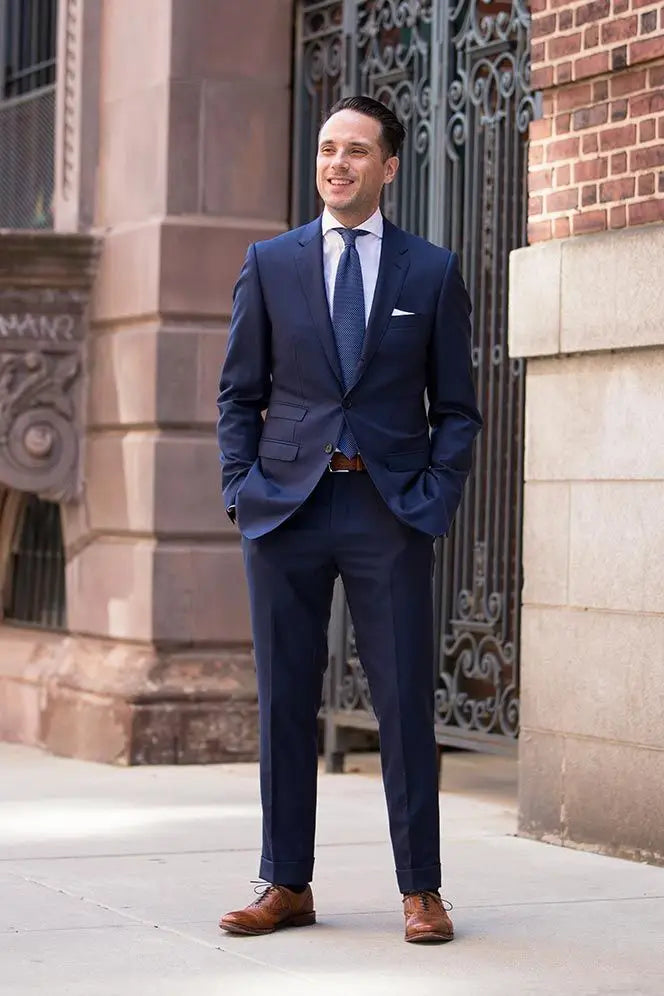
The suit is the defining element of business formal attire. It should be tailored, structured, and in a conservative color. Navy and charcoal grey are the most versatile choices. Black is typically reserved for very formal or specific professional settings.
Fit matters more than brand. The jacket should sit cleanly at the shoulders without pulling. The sleeves should end at the wrist bone, allowing a slight portion of the shirt cuff to show. Trousers should fall neatly with a slight break at the shoe, not bunching excessively.
A well fitted suit instantly communicates discipline and readiness.
The Dress Shirt
Under the jacket, the dress shirt adds contrast and refinement. White and light blue remain the safest and most widely accepted choices in business formal environments. These colors project clarity and professionalism without distraction.
The collar should sit comfortably under the jacket lapels. The fabric should be crisp but breathable, typically cotton or a high quality blend. Loud patterns or bold colors tend to undermine the conservative tone expected in strict business formal settings.
The Tie
The tie introduces controlled personality. In a proper business formal attire guide, ties are generally solid or subtly patterned in muted tones such as burgundy, navy, or deep red. The tie should reach the middle of the belt buckle and be proportionate to the width of the lapels.
Flashy designs, novelty prints, or extreme widths disrupt balance. Business formal attire values restraint and cohesion.
Footwear and Its Importance
Shoes anchor the entire outfit. They are often noticed more than people realize.
In business formal settings, Oxford shoes or cap toe dress shoes are the most appropriate options. Black shoes pair best with charcoal or black suits. Dark brown shoes work well with navy or grey suits.
Shoes should be polished and well maintained. Scuffed leather or worn out soles can diminish the overall impression of professionalism. Socks should match the trousers rather than the shoes, creating a continuous visual line.
Business Formal Attire for Women
Business formal attire for women follows the same principles of structure and conservatism while offering more garment variety.
Suits and Structured Pieces
A tailored pantsuit or skirt suit forms the foundation. Neutral colors such as navy, black, and grey remain standard. The blazer should contour naturally without pulling at the buttons or shoulders.
Fit should feel structured but comfortable. Overly tight or overly loose garments can disrupt the polished effect.
Blouses and Professional Tops
Blouses should remain simple and refined. Neutral tones work best, and fabrics should not be sheer or overly decorative. Necklines should maintain professionalism and avoid distraction.
Footwear and Accessories
Closed toe heels or formal flats are typically appropriate. Heel height should remain moderate to maintain comfort and professionalism. Jewelry should be minimal and understated.
In business formal attire, simplicity communicates authority.
Grooming and Personal Presentation
Business formal attire extends beyond clothing. Grooming plays a crucial role in overall presentation.
Hair should be neatly styled. Facial hair, if present, should be trimmed and intentional. Nails should be clean and well maintained. Fragrance should be subtle.
These details may seem small, but together they reinforce the structured message that business formal attire aims to convey.
Fabric and Quality Considerations
Fabric choice affects both comfort and visual polish. Wool remains the most common suit material because it drapes well and breathes effectively. High quality cotton is ideal for dress shirts.
Avoid overly shiny synthetic fabrics that appear artificial under office lighting. A clean matte finish typically looks more refined.
Good fabric ensures that your outfit maintains its structure throughout the day.
The Psychology Behind Business Formal Colors
Color subtly communicates mood and authority. Navy suggests trust and stability. Grey communicates intelligence and neutrality. Black suggests authority and formality.
White shirts represent clarity and cleanliness. Light blue shirts suggest approachability within professionalism.
Understanding color psychology allows you to choose combinations strategically, especially for interviews or presentations.
Tailoring as a Professional Investment
Tailoring can transform an average suit into a sharp one. Small adjustments such as shortening sleeves, tapering trousers, or refining the waistline can dramatically improve fit.
A properly tailored suit enhances posture. It encourages you to stand straighter and move with intention. Clothing that fits naturally reduces self consciousness and increases confidence.
Business formal attire is not about excess. It is about precision.
When Business Formal Is Required
There are specific moments when business formal attire becomes essential. These include corporate interviews, board meetings, client presentations, legal proceedings, financial sector events, and formal networking environments.
In such settings, dressing formally demonstrates that you understand the stakes.

And to discover our personally curated best products, we would love you to check out our affiliate links below!
Premium Cotton Full Sleeve Textured Formal Shirt
Polyester Heathered Mid-Rise waistTrousers
Men's 2 Piece Double Breasted Suit